A Christmas Story About Racism
Earlier this week, the holiday season here in The Netherlands reached it’s height with the arrival of the beloved Sinterklaas, a symbolic figure of the Dutch holiday season, akin to Santa Claus and Father Christmas in the US and UK respectively.
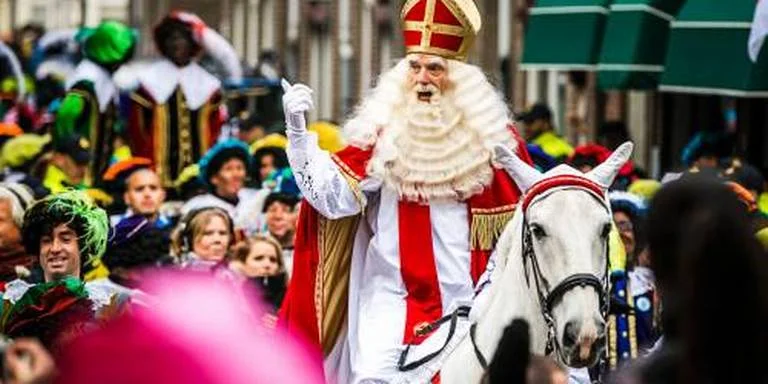
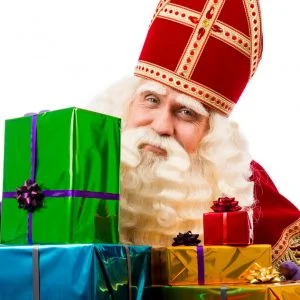
The legend of Sinterklaas reaches back centuries into Dutch history as a character based on the spirit of Saint Nicholas. Unlike the jolly American Saint Nick, Sinterklaas is a more statuesque authoritative figure cloaked in a red cape, a white bishop’s alb, and a red miter. Pope-like appearance notwithstanding, Sinterklaas is welcomed with glee by the Dutch masses every year on December 5th. On this day, banks close early (as I found out the hard way) and children eagerly wait to cash in on year-long promises of toys and treats.
Contrary to the pastel painting of rosy-cheeked children shrieking with adoration upon the arrival of Gandalf’s Spanish cousin, there is a lot of controversy around the celebration of Sinterklaas. The name of that controversy is Zwarte Piet (in English, Black Pete). Zwarte Piet is the hyper-energetic, dull-witted companion who serves as assistant to Sinterklaas. He is portrayed as a dark-skinned character with exaggerated features - large lips and a wide nose - a curly afro, and gold hoop earrings. Similar to Christmas enthusiasts who enjoy dressing like Santa Claus or one of his elves, the Dutch are known for painting themselves in black-face (red lips and all) and delighting the impressionable children with this less than flattering portrayal of black buffoonery.
Not the case, many Dutch “traditionalists” have argued. Zwarte Piet takes on this appearance because his face becomes covered with soot after sliding down chimneys to deliver presents to all the children. They insist that the color of Piet’s face has no racial implication and that it is meant to be an innocent Christmas tradition.
Zwarte Piet detractors have easily poked holes in that, and most other, arguments. First of all, one does not fall down a chimney and magically emerge with such exaggerated physical traits. And is it just a coincidence that he is dressed exactly like an 18th century Spanish Moor? Second of all, the idea of “tradition” can be worrisome. I’m sure any of us can rattle off a slew of horrible traditions - slavery being the most obvious one - as examples of problematic pastimes that have no place in a humane society.
It seems like many Dutch citizens have been uncomfortable with Zwarte Piet for quite awhile. Not only does he represent images that celebrate the enslavement of Africans, but the depictions of black caricatures are, to put it mildly, insulting. Residents of African descent cringe every time someone’s child screams “Black Pete” at them in passing. The pushback has gained some momentum in recent years, partially triggered by the violent 2011 arrest of Jerry Afriyie, proudly wearing his “Zwarte Piet is Racisme” t-shirt. The tension has only escalated from there, with subsequent protests met with clashes with police and White Supremacist groups.
It got even worse a few weeks ago. For the past month, as Sinterklaas has made his pageant-like arrival in cities and villages all over The Netherlands, anti-Piet protesters have staged a number of demonstrations to illustrate their disdain toward his happy-go-lucky sidekick. Despite the peaceful nature of these protests, the pro-Piet camp wasn’t having it. They decided to put their foot down toward a van filled with activists bound for a Sinterklaas parade by blockading the highway on which they were traveling. Obviously, it created a dangerous situation involving the police and resulting in the mayor of that town banning the protest. The blockaders saw no consequences for the hazardous act. A victory for pro-Piet.
Sinterklaas festivities have mellowed since the 5th, as the old saint makes his way back to his home in Spain to enjoy the rest of holiday season. As December 25th approaches, we prepare for colder harsher weather, long nights and quiet indoor time. The contentious black-faced character may have survived another tumultuous season, but the resistance is far from over.
Learning about the history of tradition from this side of the Atlantic has been somewhat fascinating. Getting a closer look at the parallels and the influence of European colonization on U.S. traditions has been eye opening. Did you know that New York was originally named New Amsterdam? And notice how similar-sounding the name Sinterklaas is to Santa Claus. They can keep that dude, Piet, though. The U.S. has enough problems.